From Vision to Reality: How Professional Landscaping Services Create Stunning Landscape Designs
Expert landscapers are key in enhancing outdoor spaces. They blend design knowledge with hands-on implementation, guaranteeing landscapes are both beautiful and usable. By considering local conditions and employing sustainable practices, they craft environments that enhance property value. However, the process involves more than just planting. It demands careful planning and advanced techniques to achieve lasting results. What key factors contribute to successful landscape design? The answer may interest you.
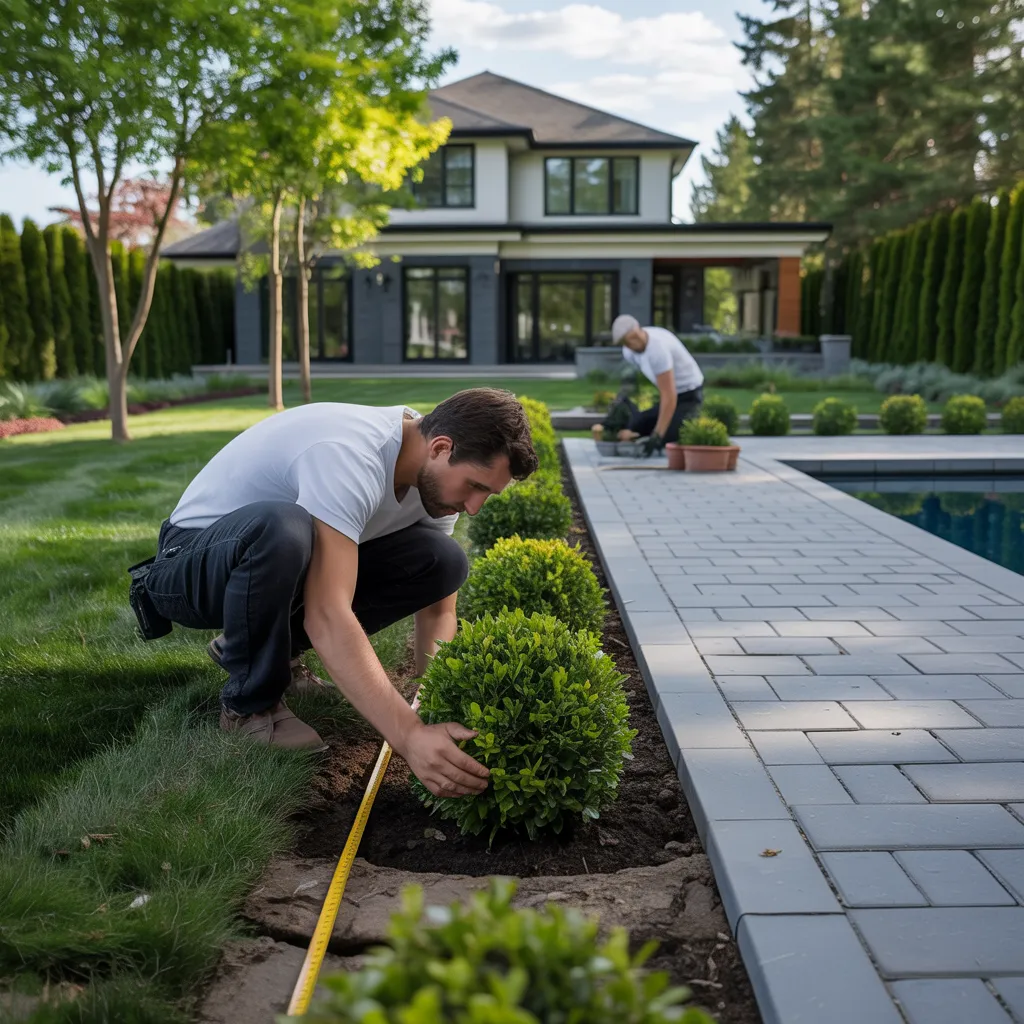
Why Hire Professional Landscaping Services?
Many homeowners hire professional landscaping services to improve their outdoor spaces effectively. These services provide expertise that is often unavailable to the average homeowner, allowing for the execution of unique design visions. Professional landscapers possess knowledge of plant species, soil types, and local climate conditions, ensuring the selected elements thrive in their environment. Additionally, they can provide innovative solutions to common landscaping challenges, such as drainage issues or uneven terrain.
Furthermore, hiring professionals saves time and reduce stress. Homeowners may not have the skills or experience to execute complex projects, which can lead to frustration and subpar results. By employing experts, they can experience a beautifully designed landscape without the stress of trial and error. Ultimately, professional landscaping services not only elevate the aesthetic appeal of outdoor spaces but also boost property value, making them a valuable investment for many homeowners.
Key Benefits of Hiring Experts
While some homeowners may attempt DIY landscaping, the advantages of hiring professionals often exceed the initial cost. Professional landscaping services bring expertise and experience, ensuring that designs are not only aesthetically pleasing but also functional and long-lasting. These experts understand local climate conditions, soil types, and plant requirements, which leads to healthier landscapes.
Additionally, hiring professionals reduces time and stress, allowing homeowners to concentrate on other priorities. With access to specialized tools and materials, professionals can execute complex designs efficiently, avoiding common pitfalls associated with amateur efforts.
Moreover, professional landscapers can increase property value through well-considered design elements and ongoing maintenance plans. Their ability to design cohesive outdoor spaces promotes an inviting environment, which can be particularly beneficial for those looking to sell their homes. Ultimately, the investment in professional landscaping yields long-term benefits that DIY efforts may not achieve.
Key Steps in Landscape Design
Professional landscaping not only improves outdoor aesthetics but also involves a structured approach to design that optimizes functionality and sustainability. The initial step in landscape design is conducting a thorough site analysis, evaluating factors such as soil type, climate, and existing vegetation. This guides the selection of suitable plants and materials.
Next, designers create a detailed plan, incorporating features like pathways, water elements, and seating areas, ensuring harmony with the surrounding environment. Following the plan, the installation phase begins, where elements are placed according to the design, allowing for adjustments as needed.
After installation, ongoing maintenance is vital to preserve the landscape's beauty and health. Regular care, including pruning and irrigation, guarantees the design remains lush and functional. Through these key steps, professional landscapers transform visions into stunning, sustainable outdoor spaces that boost both beauty and usability.
Innovative Techniques in Landscape Design
As landscape design advances, modern techniques increasingly play an important role in designing eco-friendly and visually striking outdoor spaces. One notable approach is the integration of smart technology, such as automated irrigation systems and landscape lighting, which enhances efficiency and reduces water waste. Another technique involves vertical gardens, which not only optimize limited space but also improve air quality and provide natural insulation.
Incorporating native plants is also a key trend, as these species require less maintenance and are more resilient to local climate conditions. Additionally, the use of permeable paving materials helps manage stormwater and reduces runoff, promoting environmental sustainability. The application of 3D modeling and virtual reality allows designers to visualize concepts accurately before implementation, guaranteeing that the final design meets client expectations. These modern techniques collectively transform outdoor spaces into balanced, functional, and environmentally friendly landscapes.
Selecting the Right Plants and Materials
Selecting the right plants and materials is essential for successful landscaping. Focusing on native plant selection supports ecological balance and sustainability, while considering material durability ensures long-lasting beauty and functionality. Together, these elements form the foundation of a resilient and appealing outdoor environment.

Native Plant Selection
Choosing native plants for landscaping not only enhances the aesthetic appeal of a garden but also supports local ecosystems. These plants are suited to the local climate and soil conditions, needing less maintenance and fewer resources compared to non-native species. By using native varieties, landscaping professionals can create healthy, sustainable environments that attract pollinators and other wildlife. Additionally, native plants often exhibit greater resilience to pests and diseases, minimizing the Lawn Maintenance need for chemical interventions. This approach fosters biodiversity and contributes to the overall health of the ecosystem. Careful consideration of the local plants guarantees that the landscape design blends with the natural surroundings, offering beauty while supporting ecological balance.
Material Durability Considerations
Durability is a critical factor in landscaping, influencing both the longevity of the materials used and the overall sustainability of the design. Professionals prioritize materials that can resist environmental stressors, such as climate variations and soil conditions. When selecting plants, hardiness and adaptability play important roles; native species often thrive, requiring less maintenance and resources. Additionally, durable hardscaping materials, like stone and treated wood, provide structural integrity and aesthetic appeal. These choices not only improve the landscape's beauty but also reduce the need for frequent replacements, ultimately conserving resources. By assessing the durability of both plants and materials, landscaping services can deliver enduring designs that remain functional throughout the seasons.
Tips for Maintaining Your Landscape
Maintaining a landscape needs consistent care to ensure its health and beauty. Implementing a regular watering schedule is crucial for plant vigor, while seasonal pruning techniques support growth and shape. These practices not only improve aesthetics but also support the longevity of the landscape.
Regular Watering Schedule
A consistent watering schedule is crucial for sustaining a healthy landscape. Proper hydration promotes vigorous growth, vibrant colors, and resilience against pests and diseases. The frequency and amount of water required can vary based on plant types, soil conditions, and weather patterns. Typically, early morning is the best time for watering, enabling plants to absorb moisture before the heat of the day. Additionally, deep watering encourages roots to grow stronger, enhancing drought resistance. Implementing a drip irrigation system can guarantee efficient water use while minimizing evaporation. Regularly monitoring soil moisture levels and adjusting the schedule accordingly is essential. This careful approach to watering not only enhances plant health but also maintains a beautiful landscape.
Seasonal Pruning Techniques
Seasonal pruning techniques play an key role in landscape maintenance, improving the health and aesthetic appeal of plants. Effective pruning varies with the seasons; for instance, late winter is ideal for shaping deciduous trees, encouraging robust growth in spring. Early spring pruning helps flowering shrubs, supporting blooms to flourish. Summer pruning focuses on controlling growth and removing dead or diseased branches, keeping plants do not become overgrown. In fall, pruning targets the removal of any dead materials to prepare plants for winter dormancy. Each technique aligns with the plant's life cycle, fostering vitality and beauty. By understanding the specific needs of various plants, professional landscapers implement seasonal pruning effectively, ultimately creating a healthy and visually appealing landscape.
Frequently Asked Questions
How Much Do Professional Landscaping Services Typically Cost?
Professional landscaping services typically cost between $50 to $150 per hour, depending on the project's complexity and location. Overall project costs can vary from a few hundred to several thousand dollars based on scope.
What Should I Expect During the Initial Consultation?
During the initial consultation, clients can anticipate a thorough discussion of their vision, site assessment, budget considerations, and potential design ideas. Professionals will also explain their process and answer any questions regarding services offered.
Can Landscaping Improve My Property's Value?
Landscaping can significantly boost a property's value by improving curb appeal, creating functional outdoor spaces, and increasing overall aesthetic appeal. Well-designed landscapes appeal to potential buyers, making properties more appealing in competitive real estate markets.
How Long Do Landscaping Projects Usually Take?
Landscaping projects typically take anywhere from a few days to several weeks, depending on the project's scope, complexity, and weather conditions. Professional teams often provide timelines during consultations to establish clear expectations for clients.
Do I Need Permits for Landscaping Changes?
Whether permits are needed for landscaping changes depends on local regulations. Typically, significant alterations, such as tree removal or installation of structures, need permits, while minor adjustments may not. Always check with local authorities for exact requirements.